
An awesome day on the trail can quickly turn miserable if you spend the night tossing, turning, and shivering. When it comes to outdoor comfort, your sleeping bag and sleeping pad work as a dynamic duo—neither can perform its best without the other.
Here is how to mash them up for a cozy night under the stars.
The key to a good sleeping bag is balancing warmth, weight, and packability.
Temperature Ratings: Always check the bag’s ISO or EN rating. Look for the comfort rating (the temperature at which a standard sleeper remains comfortable) rather than the lower limit, especially if you tend to sleep cold.
Insulation Type:
Down Insulation: Incredible warmth-to-weight ratio and highly compressible, but loses insulating power if it gets wet. Ideal for backpacking and dry, cold climates.
Synthetic Insulation: Dries quickly and stays warm even when damp, making it budget-friendly and great for wet environments, though it is bulkier to pack.
Shape: Mummy bags hug your body to trap heat efficiently, while rectangular bags offer more room to stretch out at the cost of a little thermal efficiency.
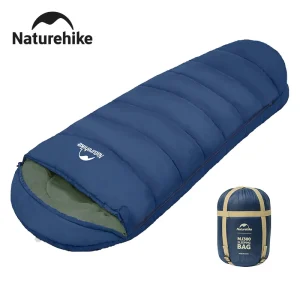
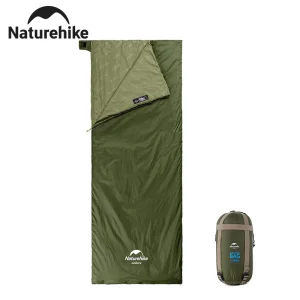
Many campers don’t realize that your sleeping bag compresses underneath your body weight, rendering the bottom insulation nearly useless against the cold ground. That is where your sleeping pad comes in.
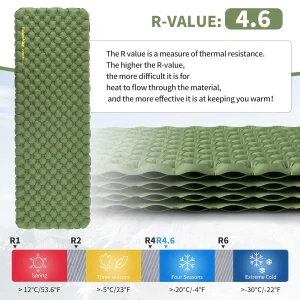
R-Value (Thermal Resistance): The R-value measures a pad’s ability to resist heat flow. A higher R-value means better insulation from the cold ground.
Summer/Warm Weather: R-value under 2.
3-Season (Spring to Fall): R-value of 2 to 4.
Winter/Mountaineering: R-value of 4 or higher (often combining an insulated pad with a closed-cell foam pad).
Pad Styles: Choose from lightweight self-inflating pads, ultra-comfortable insulated air pads, or durable closed-cell foam pads depending on your priorities for weight versus comfort.
 .
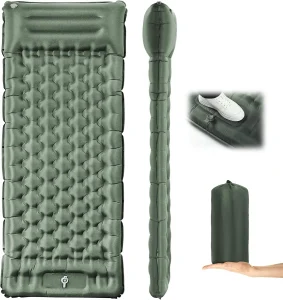
To stay truly warm, match your sleeping bag’s temperature rating with a sleeping pad that has an appropriate R-value for the season. Pack both with care, and you will wake up refreshed, energized, and ready for your next outdoor excursion.
Thanks for Joining Us
Be Safe, Enjoy Nature